Alkagesta said discussions at SIBCON 2026 in Singapore focused on widening the marine fuel mix, securing supplies and bringing shipping decarbonisation projects to commercial scale. In its account of the conference, the company described a week of industry sessions and meetings involving participants from the international shipping and marine fuels markets.
According to Alkagesta, conference sessions explored how biofuels, methanol and LNG could supplement conventional marine fuels, with their roles varying across vessel types and trading routes. The company linked those discussions to its own efforts to expand its sustainable fuels capabilities. It cited a five-year UCO feedstock offtake agreement and a multi-year agreement for biofuel storage at Pantank in Antwerp as elements of that work.
Security of supply was another recurring subject in the company’s summary. Alkagesta said participants discussed diversification as a way for operators to manage risk by limiting reliance on individual supply sources. The discussions placed the potential resilience benefits of a broader fuel mix against a backdrop of continuing supply pressures in global energy markets, rather than treating fuel choice solely as a decarbonisation issue.
The conference also considered the barriers to taking decarbonisation initiatives beyond pilot programmes. Alkagesta reported that industry leaders identified clearer regulation, safety frameworks and access to finance as important conditions for commercial deployment. Its account presented these requirements alongside the discussions about alternative fuels and supply security.
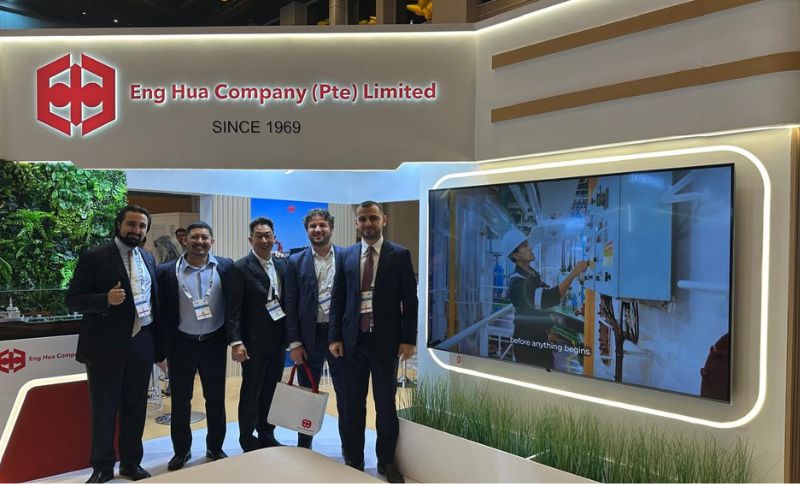
Alkagesta’s delegation comprised founder and chief executive Orkhan Rustamov; Tural Huseynov, managing director for investments and asset management; Agshin Bakirzade, APAC commodity trading director; Mithat Çiftçioğlu, marine fuels distribution director; and senior marine fuel trader Afiq Salim. Beyond the formal sessions, the company said its team met shipowners, bunker traders, customers, suppliers and other industry counterparts, maintaining existing relationships and exploring possible collaboration across the Asia-Pacific region.