Worldsteel has recognised six member companies for improvements in workplace safety and health through its 2026 Safety and Health Excellence Recognition. The initiatives span machine guarding, psychological support, crane ergonomics and automated process warnings. Worldsteel’s safety and health manager, Shalini Kumari, said submissions showed greater emphasis on leadership involvement, potentially serious injuries and fatalities, and the connection between psychological wellbeing and physical fitness.
InfraBuild’s programme brought physical and psychological safety into a company-wide framework combining leadership development, employee participation, critical risk controls and mental health support. According to Worldsteel, the approach increased employee trust and readiness to raise concerns, while improving leadership capability, engagement and injury performance. The framework sought to move safety practices beyond compliance towards shared responsibility and learning.
JFE Steel focused on engineered safeguards, introducing access-door interlock keys, artificial intelligence-based cameras that detect people, and stronger physical guarding. The measures restrict access to hazardous areas and stop machinery when people are detected. Worldsteel said the approach, which also accommodates older equipment where complete isolation is not possible, had helped eliminate deaths from caught-in and entanglement accidents since 2018.
Mobarakeh’s initiative incorporated psychological fitness assessments into recruitment, supported by confidential professional interviews and specialist clinical reviews where needed. Decisions take account of individual job requirements rather than test scores alone, with options including support, task matching and reassessment. Nippon Steel Slovakia addressed crane operators’ physical strain through workload measurements, ergonomic reviews and video analysis. Seating, controls, cameras, vibration reduction and changes to work organisation helped reduce muscular loading and unsuitable working postures.
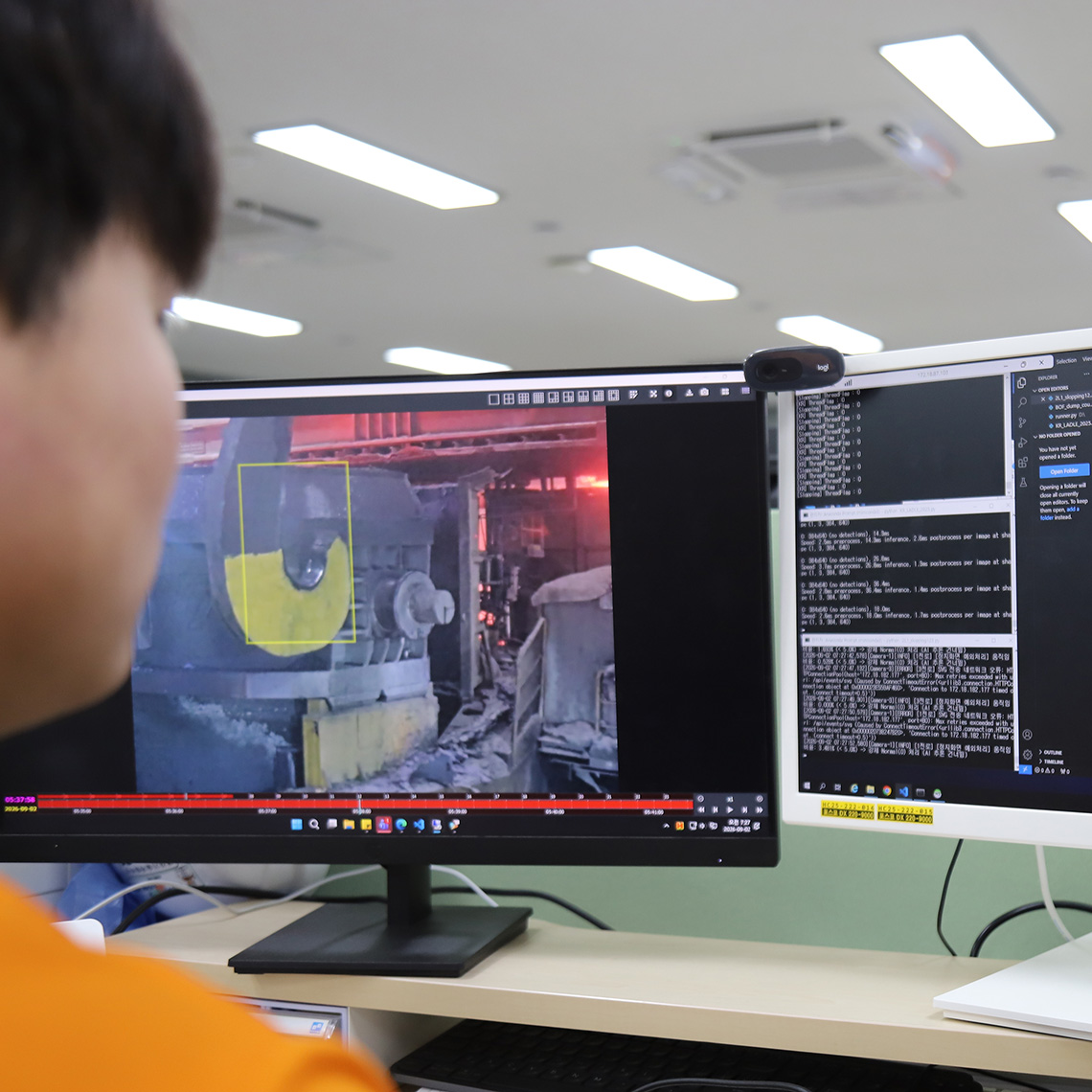
POSCO developed its own vision AI system for steelmaking areas where workers cannot always be separated from molten-metal transport vehicles. Built around existing CCTV, internal servers and open-source software, it responds to seven high-risk scenarios. Worldsteel reported improved process safety without additional capital investment, using automatic equipment stops and early detection of process problems.
Tata Steel’s recognised system continuously monitors critical process conditions and flags departures from safe limits, instrument faults, unusual data and bypassed interlocks. Alerts escalate according to their severity, frequency and duration. The platform also provides independent oversight during control-system overrides and records warnings and responses, supporting earlier intervention and traceability across several high-hazard departments.