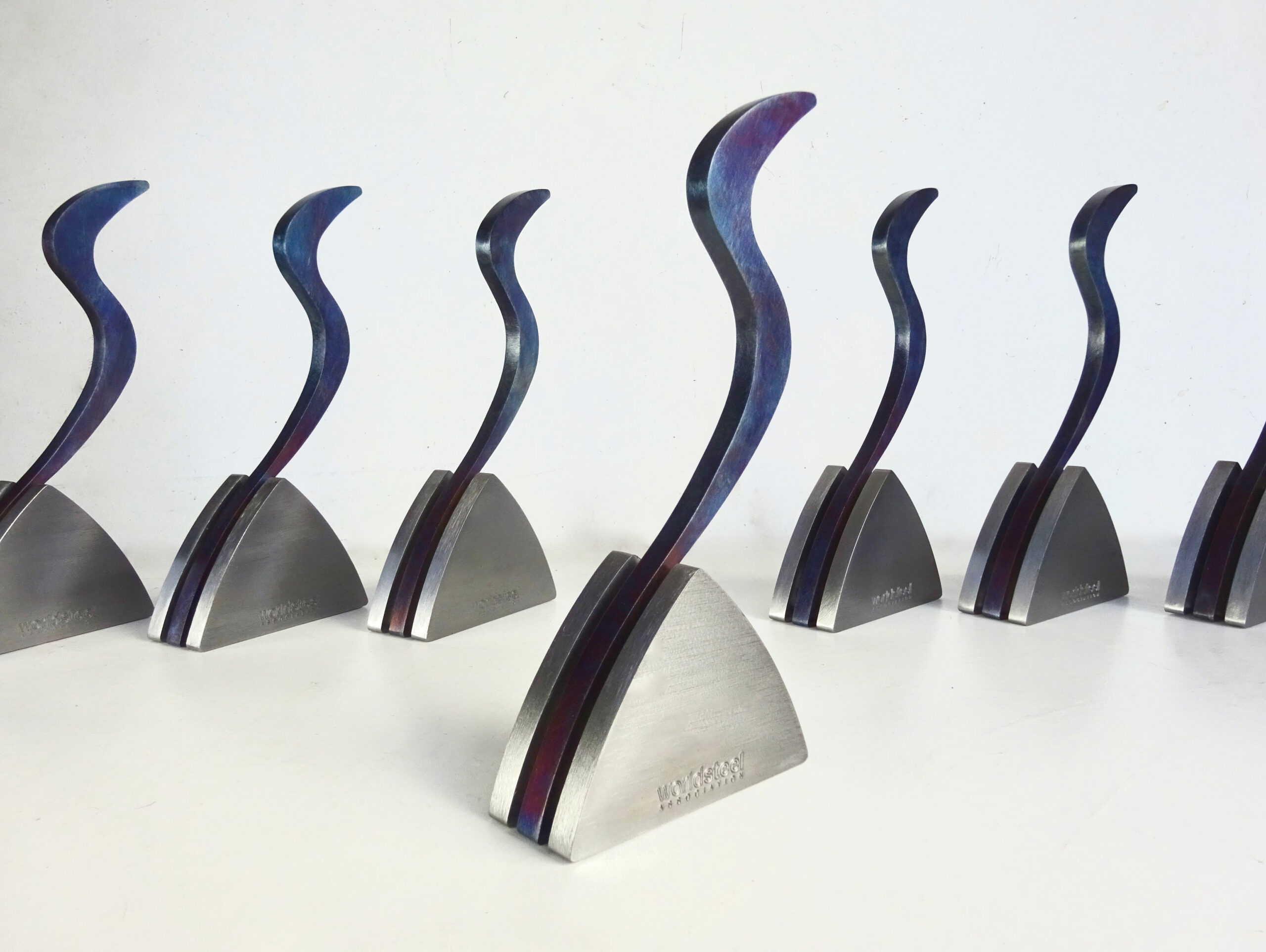
JSW Steel’s renewable hydrogen and oxygen project at its Vijayanagar Works in India is among the winners listed in Worldsteel’s 2026 Steelie Awards. The installation supplies hydrogen to an existing gas-based direct reduced iron (DRI) plant and uses the oxygen produced alongside it in downstream steelmaking, linking renewable power generation with both processes.
According to Worldsteel, the first phase entered service in late 2025 with a 25 MW electrolyser powered by renewable electricity. It produces approximately 5,000 Nm³ of hydrogen an hour and 28,500 tonnes of oxygen annually. Hydrogen replaces some of the carbon-based reducing gas used in ironmaking, generating water vapour instead of carbon dioxide, while the oxygen supply reduces dependence on external deliveries.
Worldsteel reports that the project recorded more than 3,000 hours of stable operation while maintaining product quality and operational reliability. Emissions fell by around 30 kg of CO₂ per tonne of DRI, with total avoided emissions put at 21,255 tonnes. Productivity increased by 3.9%. The outlet presents the use of commercially available equipment and existing DRI infrastructure as factors that could support replication elsewhere in the steel industry.
The expansion plan includes a further 75 MW electrolyser in the second phase, taking hydrogen injection to 20,000 Nm³ an hour and targeting emissions savings of roughly 120 kg of CO₂ per tonne of DRI. A third phase envisages capacity exceeding 500 MW and injection of up to 125,000 Nm³ an hour. Worldsteel says that stage could potentially cut emissions by around 750 kg of CO₂ per tonne; these figures describe planned performance rather than current operating results.
The initiative contributes to JSW Steel’s stated targets of cutting CO₂ intensity by 42% by 2030 and reaching net zero by 2050. Worldsteel identifies JSW Energy, the India H₂ Alliance and India’s National Green Hydrogen Mission as partners supporting the integration of renewable energy, hydrogen and steel production. Other winners on the list include Hyundai Steel for work on making life-cycle assessment methodologies more comparable across steel products, and JFE Steel and Nippon Steel for projects involving steelmaking by-products and sea forest creation, respectively.